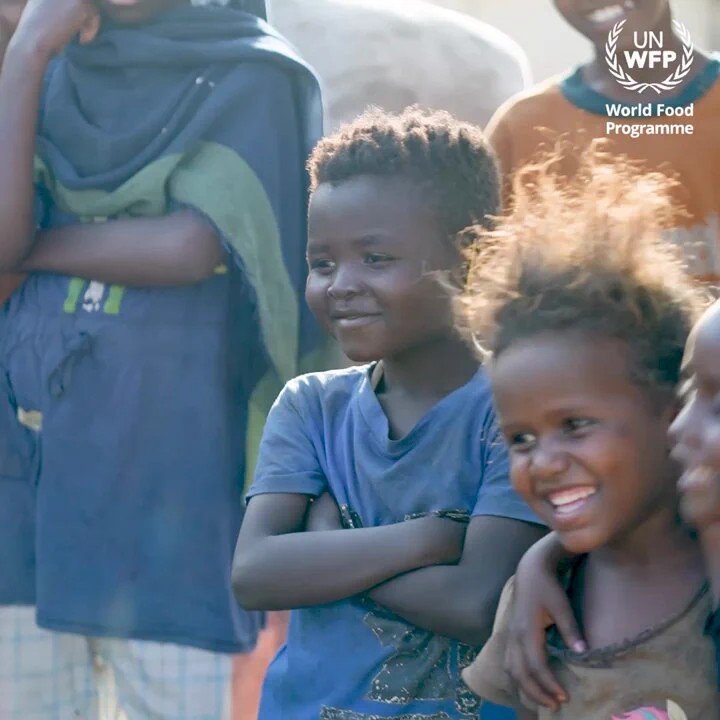
After years of disruption caused by conflict and instability, on-site school feeding activities are gradually resuming in parts of Sudan, offering renewed support to schoolchildren facing severe humanitarian and food security challenges.
The World Food Programme (WFP) said that despite the difficult operating environment, it has continued supporting children across Sudan through alternative approaches, including take-home food rations. In 2025, the programme reached approximately 769,000 schoolchildren with assistance aimed at helping vulnerable families keep children fed and supporting their continued access to education.
The gradual return of on-site school feeding represents an important step toward restoring essential services for children whose education and daily lives have been heavily affected by years of disruption. School meals can play a critical role in encouraging attendance, improving children’s ability to concentrate in class and providing families with an additional source of food at a time when many households are struggling to meet their basic needs.
For communities affected by conflict and displacement, school feeding programmes can also serve as an important safety net. Take-home rations have enabled WFP to maintain assistance even when regular school-based operations were not possible, helping families cope with food shortages while keeping education within reach for children.
WFP’s continued support highlights the scale of the humanitarian needs facing Sudan, where millions of people remain affected by conflict, displacement and deteriorating food security. The resumption of school feeding activities therefore carries significance beyond providing meals, offering children and communities a measure of stability amid an ongoing crisis.
The agency’s efforts underscore the importance of sustained humanitarian assistance and the restoration of basic services as Sudanese communities work to rebuild disrupted education and food systems.