

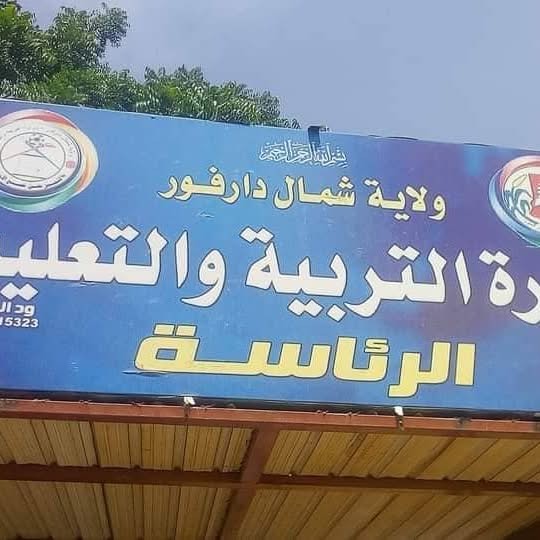
Education is a fundamental and non-derogable human right and a central pillar of social stability and human development, particularly in fragile and conflict-affected settings. In Saraf Omra Locality, North Darfur State, the education sector is facing a profound and multifaceted crisis that has worsened unprecedentedly since the outbreak of war in Sudan on 15 April 2023 between the Sudanese Armed Forces and the Rapid Support Forces. The conflict has resulted in the near-total paralysis of educational institutions and the deprivation of thousands of children and students of their right to education for nearly three consecutive years, amid a broader collapse of basic services and a severe deterioration of socio-economic conditions.
Before addressing the direct impacts of the war on education, a sound analytical approach requires an overview of the locality’s demographic and administrative characteristics, as these factors are essential to understanding the scale and nature of the educational challenges.
Demographic Profile of Saraf Omra Locality
The population of Saraf Omra Locality is estimated at approximately 301,000 inhabitants, based on the most recent population census conducted in 2008. The population is distributed between the locality headquarters and several rural administrative units, characterized by significant social and cultural diversity. This includes both settled communities and nomadic pastoralist groups who rely on seasonal mobility in search of water and grazing land, posing additional challenges to the provision of inclusive and formal education services.
Administrative Structure of the Locality
Saraf Omra Locality is administratively divided into four main units:
First: Barai Administrative Unit
This unit constitutes the locality headquarters and hosts most official and service institutions, including the police headquarters and education departments (primary, secondary, pre-school, and nomadic education), in addition to the main hospital and several private health facilities. It also houses the office of the Locality Commissioner—the highest executive authority—as well as the Executive Director, who oversees other service sectors.
Second: Kalla Administrative Unit
Located east of the locality, this unit extends along Wadi Barai, one of the most prominent seasonal valleys in the Darfur region. It comprises several villages and rural communities that primarily depend on agriculture and pastoralism.
Third: Wastani Administrative Unit
Situated in the northwest of Saraf Omra Locality, this unit includes a number of villages and nomadic settlements and borders Kulbus and Kreinik localities of West Darfur State, making it a geographical and social contact zone that is particularly vulnerable to regional conflict dynamics.
Fourth: Barka Saira Administrative Unit
Located east of the Barai Administrative Unit, between Kalla and Saraf Omra, this unit encompasses several villages and rural population clusters.
Status of Educational Institutions in the Locality
Educational institutions in Saraf Omra Locality are distributed across the four administrative units and cover the following key educational levels:
Primary Education
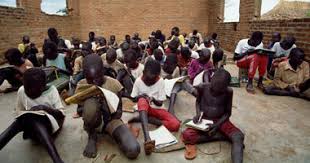
This is the most inclusive stage, serving children aged between 6 and 12 years. The locality hosts approximately forty public primary schools, in addition to more than ten private primary schools. Despite this number, chronic challenges persist, including overcrowded classrooms and weak infrastructure.
Intermediate Education
This level is relatively recent following reforms to the education system and remains severely limited in coverage. There are only two public intermediate schools and three private ones across the entire locality, all of which are concentrated in the Barai Administrative Unit. The remaining three administrative units have no intermediate schools at all. Consequently, students from rural areas are forced to relocate and reside in the locality headquarters to continue their education, imposing significant social and economic burdens on their families.
Secondary Education
The locality has three public secondary schools: two located in the locality headquarters (one for boys and one for girls) and a third mixed-gender school in Barka Saira Administrative Unit. In addition, there are eight private secondary schools, all situated within the locality headquarters, reflecting a clear geographic imbalance in access to secondary education.
Early Childhood Education (Kindergartens)
Early childhood education suffers from severe institutional neglect. Kindergartens are available only in a limited number of schools, due to the absence of supportive policies, a shortage of qualified staff and educational materials, and the poor quality of learning environments designated for this age group.
Teaching Staff
The number of teachers working across all educational levels in Saraf Omra Locality is estimated at approximately 400. However, this figure is insufficient relative to the population size and the number of schools, reflecting long-standing structural imbalances in recruitment and deployment policies under both previous and current government administrations.
Suspension of the Educational Process Due to War
Since the outbreak of the war in April 2023, the educational process in Saraf Omra Locality has come to a complete halt at all levels. As a result, thousands of students have been pushed out of the formal education system. Some have turned to khalwas (Qur’anic schools) as an emergency alternative, while others have been compelled to engage in informal labor in local markets to support their families’ basic needs. This situation poses a serious risk of permanent school dropout and a rise in child labor.
Teachers’ Conditions and Economic Hardship
Teachers have endured severe economic hardship for more than three years due to the near-total interruption of their already meager monthly salaries. Salaries have not been paid for over two years, except for a partial disbursement of approximately 60% for only eight months to some teachers, amounting—depending on grade—to between USD 12 and USD 20 per month. Moreover, the salaries of 26 teachers were suspended through administrative decisions, including seven secondary school teachers and nineteen primary and intermediate teachers. These measures were based on malicious, politically motivated reports falsely accusing them of affiliation with the Rapid Support Forces, without any legal basis or evidence, constituting a clear violation of their professional and human rights.
Announcement of School Reopening and Persisting Challenges
On Thursday, 26 November 2025, authorities announced the reopening of schools in Saraf Omra Locality. However, this announcement was made amid an extremely fragile reality, characterized by the continued suspension of teachers’ salaries, widespread student displacement, poor educational environments, and the absence of basic educational inputs, including textbooks, teaching aids, and safe infrastructure. Consequently, the resumption of education under these conditions remains largely symbolic unless serious and comprehensive measures are undertaken to address the root causes of the crisis and to ensure the right to safe, equitable, and sustainable education for all children and students in the locality.
Recommendations
I. Urgent Recommendations (Short-Term)
1. Ensure the regular and uninterrupted payment of teachers’ salaries
The competent authorities should establish an urgent, independent mechanism to ensure the regular and timely payment of teachers’ salaries, as a fundamental prerequisite for the resumption and continuity of the educational process. Salary levels should also be reviewed to guarantee at least a minimum standard of dignified living in light of rampant inflation and currency collapse.
2. Revoke arbitrary decisions against teachers and restore their professional standing
All decisions suspending the salaries of the twenty-six (26) teachers must be immediately revoked. An independent administrative and legal investigation should be initiated into the politically motivated, malicious reports that led to these measures, with firm guarantees that alleged or presumed affiliations are not used as tools for professional exclusion.
3. Provide the minimum requirements for safe and dignified education
This includes the provision of textbooks and essential teaching and learning materials, the rehabilitation of damaged classrooms, and the ضمانment of adequate water, sanitation, and hygiene facilities in schools, in order to protect the dignity of students and teachers and reduce health-related risks.
4. Implement emergency education programs for out-of-school children
Adopt remedial and accelerated learning programs targeting children who have been out of school during the years of conflict, taking into account age differences and psychosocial needs, and preventing their permanent exclusion from the education system.
II. Medium-Term Recommendations
5. Ensure equitable geographical redistribution of educational services
Establish intermediate and secondary schools in the three underserved administrative units (Kalla, Wastani, and Barka Saira) to reduce education-related displacement and ensure equal access to education for both rural and urban populations.
6. Strengthen nomadic education and flexible learning models
Develop mobile and flexible education models adapted to the lifestyles of pastoralist communities, including seasonal schools, condensed curricula, and academic calendars aligned with pastoral migration cycles.
7. Rebuild trust between local communities and educational institutions
Engage parents’ committees and local civil society actors in school management and in monitoring the educational process, thereby strengthening community ownership and reducing school dropout rates.
8. Support the psychosocial well-being of students and teachers
Integrate psychosocial support programs within schools, particularly for children affected by conflict and violence, recognizing psychological recovery as a critical prerequisite for effective and sustainable learning.