
Khartoum – Alsudanianews
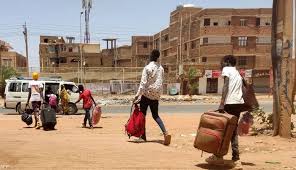
While returns are increasing across Sudan, the reality on the ground remains critical and fragile.Families returning to their areas of origin are often met with destroyed homes, collapsed infrastructure, and severely limited basic services. Access to clean water, electricity, schools, and health centers is either unavailable or operating far below capacity, leaving thousands without essential support.Livelihood options are also extremely scarce. Markets, farms, and assets have been destroyed, leaving many households with no income and fully dependent on humanitarian aid to survive.Returnees say they came back driven by the hope of rebuilding their lives, but the lack of security and services makes staying difficult. With the rainy season approaching, the risks of disease outbreaks and malnutrition among children are rising sharply.Humanitarian organizations stress that sustained global support, safe and unhindered humanitarian access, and lasting peace are vital to rebuild lives. Without adequate funding and continuous access, recovery efforts will remain weak and at risk of reversal.Investing in housing rehabilitation, reopening schools and clinics, and creating quick job opportunities is the only way to prevent further displacement and ensure that returns are voluntary, safe, and dignified.Return alone is not enough. What is needed is a return with dignity, services, and hope.